Generator & Elevator Blog Bangladesh
Your Complete Guide to Choosing the Right Generator in Bangladesh

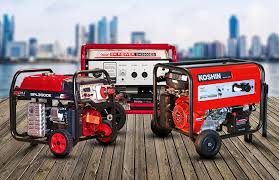
In a world driven by constant connectivity and productivity, a consistent power supply and especially access to a reliable generator in Bangladesh is not merely a convenience; it is the very backbone of modern life and commerce. In Bangladesh, where the demand for electricity often outstrips supply, leading to frequent and unpredictable power outages, securing an independent power source has become an absolute necessity.
When the national grid falters, the best generator can single handedly save the day, protecting businesses from costly downtime and ensuring homes remain safe and functional. However, the market is saturated with options for a diesel generator for home and industry, each claiming to be the best. Choosing the right one for your specific needs, be it for a small family home or a large industrial enterprise, is a critical decision that requires careful consideration.
This guide is designed to navigate that complexity, offering a deep dive into the best diesel generator brands in Bangladesh available from world-renowned brands like Ricardo, Cummins, Honda, and John Deere. We will explore the essential factors you must consider, from calculating your precise power requirements to understanding the nuances of fuel efficiency and long-term durability.
Understanding Your Power Requirements: The Foundation of a Smart Choice
Before delving into specific brands and models, the first and most critical step is to accurately assess your own power requirements. This foundational process is essential for selecting a generator that perfectly matches your energy consumption without being excessive or insufficient. An oversized generator leads to wasted capital and higher fuel consumption, while an undersized unit will fail to power your essential equipment, potentially causing damage to both the generator and your appliances due to overloading. A precise calculation is the key to an efficient and cost-effective power solution.How to Accurately Calculate Your Energy Needs
Calculating your energy needs is a methodical process. Start by creating an exhaustive list of every single device, appliance, and piece of machinery you intend to run simultaneously during a power outage. For a home, this might include lights, fans, a refrigerator, a television, and perhaps an air conditioner. For a business, the list could be far more extensive, encompassing computers, servers, printers, specialized machinery, and commercial lighting. Next to each item, note its required wattage. You will find two important numbers: “running wattage” (the continuous power the device needs to operate) and “starting wattage” or “surge wattage” (the extra burst of power needed to start up, especially for devices with electric motors). Refrigerators, air conditioners, and power tools are common culprits of high starting wattage, which can be two to three times their running wattage. Your generator must be able to supply this initial surge. To calculate the total required wattage, add up the running wattage of all the items on your listContinuous vs. Standby Power Ratings Explained
When you look at generator specifications, you will encounter two distinct power ratings: “continuous” and “standby.” It is vital to understand the difference. The continuous rating, often referred to as the “prime power” rating, indicates the amount of power the generator can produce consistently over long periods. This is the rating to consider if you plan to use the generator as a primary power source, such as at a remote construction site or an off-grid facility. The standby rating, which is always higher than the continuous rating, represents the maximum power the generator can produce for a limited time, typically for the duration of a standard power outage. For most residential and small business applications where the generator will only be used during emergencies, the standby rating is the more relevant figure. However, relying on the standby rating for continuous operation will severely overwork the engine, leading to overheating and premature failure.Single-Phase vs. Three-Phase Power Systems: A Critical Distinction
Generators produce electricity in one of two forms: single-phase or three-phase. The type of power system you have in your home or business dictates which type of generator you need. Single-phase power is the standard for most residential and small commercial settings. It is perfectly adequate for powering lights, standard appliances, and small machinery. If your property uses a standard electrical panel, you almost certainly require a single-phase generator. Three-phase power, on the other hand, is a necessity for larger commercial and industrial operations that run heavy-duty machinery. It provides more power more efficiently and delivers it in a more stable, balanced manner, which is crucial for large motors and other high-demand equipment. Businesses involved in manufacturing, large-scale agriculture, or those operating large commercial buildings will require a three-phase generator. A prime example of a generator built for these demanding jobs is the Cummins 60 kVA / 50 kW 3-Phase Diesel Generator, which is specifically engineered to handle larger, more complex electrical loads with superior efficiency.Generator Capacities: Tailored Solutions from Home to Industry
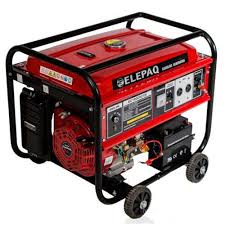 1. Small Capacity Generators for Modern Residential Use
In the context of Bangladesh’s frequent power outages, small-capacity generators have become
a staple for homeowners seeking to maintain a semblance of normalcy. These units are
designed to keep essential appliances running, ensuring that daily life is not completely
disrupted.
The Honda 5 KVA / 5 KW Diesel Generator is a standout in this category, celebrated for its
exceptional performance and remarkable fuel efficiency. For a small to medium-sized home, it
provides ample power for lights, ceiling fans, a television, and a refrigerator, all while consuming
a minimal amount of diesel. Its quiet operation and reliability have made it a trusted name.
Another popular choice is the Delta 8kVA / 6kW Diesel Generator, which has earned a
reputation for its incredibly silent operation and convenient portability. These features make it an
ideal fit for dense residential areas where noise can be a significant concern. Furthermore, the
Delta generator is robustly built to withstand the demanding climate of Bangladesh, from its high
humidity to its scorching summer temperatures.
2. Medium Capacity Generators for Small to Medium Businesses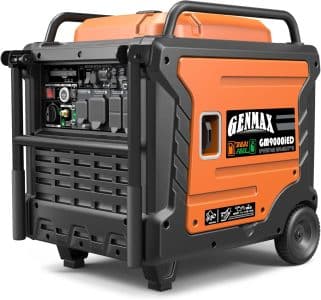
For the countless small and medium-sized enterprises (SMEs) that form the backbone of
Bangladesh’s economy, a reliable power source is a direct lifeline to profitability.
Medium-capacity generators provide the perfect balance of substantial power and operational
efficiency.
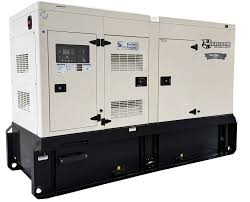
The Cummins 40KVA / 32KW Diesel Generator is a top pick in this segment, lauded for its
powerful performance and unwavering reliability. Backed by Cummins’ legendary reputation for
building durable, industrial-grade engines, this generator is an investment in uninterrupted
business operations. Its impressive fuel efficiency also helps keep operational costs low, a
crucial factor for any small business.
The Ricardo 50 kVA / 40 kW Diesel Generator is another formidable contender, particularly
known for its high power output and sophisticated load management capabilities. It is
intelligently designed for businesses with moderate but fluctuating power needs, efficiently
distributing power where it is needed most without wastage.
 3. Large Capacity Generators for Substantial Business Operations
As businesses grow, so do their power demands. Large-capacity generators are essential for
powering bigger enterprises, ensuring that complex operations can continue seamlessly, even
during extended power cuts. The Ricardo 100kVA Diesel Generator is a workhorse designed for these significant power needs. It can handle the tough, demanding loads of small factories, multi-story office buildings, and
large retail centers, keeping businesses productive and profitable. To ensure its longevity and
peak performance, a commitment to routine maintenance is key. For operations where power
stability is critical, the Cummins 150 kVA / 120kW Diesel Generator stands out.
This powerful unit delivers an incredibly stable power output, which is critical for large
operations that cannot tolerate power fluctuations. It is also fuel-efficient for its size, which
translates into significant savings on operating costs over the generator’s lifespan. Also in this
category is the John Deere 100 kVA / 80 kW Diesel Generator.
Industrial-Grade & High-Capacity Generators for Critical Infrastructure
For the largest and most critical sectors of the economy, manufacturing plants, national data centers, hospitals, and major infrastructure projects, only the most powerful and reliable industrial-grade generators will suffice. These machines are the heart of operations, providing the immense power needed to function. The Ricardo 200 kVA and 300 kVA generators are solid choices for heavy industrial applications, providing a steady and dependable power supply under extreme loads. The 300 kVA model offers the flexibility of both a canopy (enclosed) design, which significantly reduces noise and protects the unit from the elements, and an open design, which allows for easier Maintenance access. However, when it comes to powering the most critical infrastructure, the high-capacity range from Cummins is often considered the industry standard. Their 250 kVA, 350 kVA, 400KVA, and 500 kVA generators represent the pinnacle of power generation technology.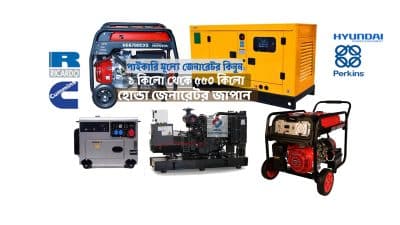
Key Factors When Purchasing a Generator in Bangladesh
Choosing the right generator involves more than just matching wattage and brand. In a unique environment like Bangladesh, several local factors must be carefully considered to ensure your generator performs reliably and has a long service life. First, the local availability of parts and services is paramount. A generator is a complex piece of machinery that will inevitably require maintenance and repairs. Choosing a brand with a wide and responsive service network in Bangladesh, such as Cummins or Ricardo, is a non-negotiable aspect of a wise purchase. Easy access to genuine spare parts and qualified technicians can be the difference between a few hours of downtime and weeks of costly delays. Second, fuel quality considerations are crucial. The quality and purity of diesel fuel can vary across the country. Lower-quality fuel can contain contaminants that may harm a generator’s engine over time, leading to clogged injectors and reduced performance. It is important to select a generator from a brand known for its ability to handle variable fuel quality or to invest in a robust fuel filtration system.Conclusion: Making the Right Generator Investment for Your Needs
Choosing the right generator is a significant and strategic investment in your family’s security or your business’s operational continuity. It is a decision that extends far beyond the initial purchase price. By taking the time to thoroughly understand your unique power needs, carefully comparing the different capacities and technologies available, and weighing the distinct strengths of leading brands like Cummins and Ricardo, you can make a truly informed choice.Frequently Asked Questions (FAQ)
What is the difference between continuous and standby power ratings?
Continuous power is the load a generator can handle consistently for an unlimited number of hours, making it suitable as a primary power source. Standby power is the maximum output a generator can provide for a limited duration during an emergency or grid failure. For most backup applications, the standby rating is the key figure, but it should not be used for continuous operation.What are the benefits of three-phase power systems?
Three-phase power systems deliver more power, more efficiently, and with greater stability than single-phase systems. This balanced power delivery is essential for running large, motor-driven industrial machinery without risking overheating or damage, making it the standard for commercial and industrial applications.How do I calculate my energy needs for a generator?
To properly calculate your energy needs, you must sum the “running wattage” of all the appliances and devices you wish to power simultaneously. Then, identify the single highest “starting wattage” (the surge of power a device needs to turn on) among your equipment and add that value to your total running wattage. This gives you the minimum wattage your generator must be able to produce.Are Cummins and Ricardo generators reliable?
Yes, both Cummins and Ricardo have strong reputations for producing reliable and durable generators. Cummins is a top-tier global leader known for its industrial-grade quality, making it ideal for critical applications. Ricardo is known for offering a very strong balance of performance and value, making it a reliable choice for a vast range of users from residential to heavy industrial.What is the importance of regular maintenance for generators?
Regular maintenance is absolutely crucial. It ensures your generator will start and run efficiently when you need it most. It involves checking fluid levels, changing oil and filters, inspecting batteries, and testing the unit. Proper maintenance extends the generator’s lifespan significantly, prevents unexpected and costly breakdowns, and ensures it operates safely.